

Blog by Dr Chris Mullen, Senior Engineer at Kinewell.
 Dr Chris Mullen is a multidisciplinary offshore wind expert with a broad range of engineering experience. Chris is a key contributor to our KLOC software and, in response to industry needs, led the development of novel floating wind features within the KLOC software. Chris has strong skills and experience in algorithm development for offshore wind, as well as software development and implementation. He is an experienced project manager, ensuring technical quality and delivery on schedule. Chris has been involved in various aspects of energy research for over 20 years, including complex system modelling, data analysis, project management, report writing and programming. Chris has previously worked at various organisations including Siemens Energy Management, The Sir Joseph SwanCentre for Energy Research, Newcastle University, the Shipbuilders and Ship repairers Association andTecnoveritas (Portugal). In 2018, Dr Chris Mullen completed a PhD titled “Interactions between demand side response, demand recovery, peak pricing and electricity distribution network capacity margins”.
Introduction
Over the last decade there has been significant progress in reducing the cost of offshore wind. I recall thinking that strike prices of less than £100/MWh seemed desirable and essential, yet so far away from where we were as an industry. Despite strides forward in cost reduction, cost still remains a pressing issue for offshore wind developers and the wider supply chain.
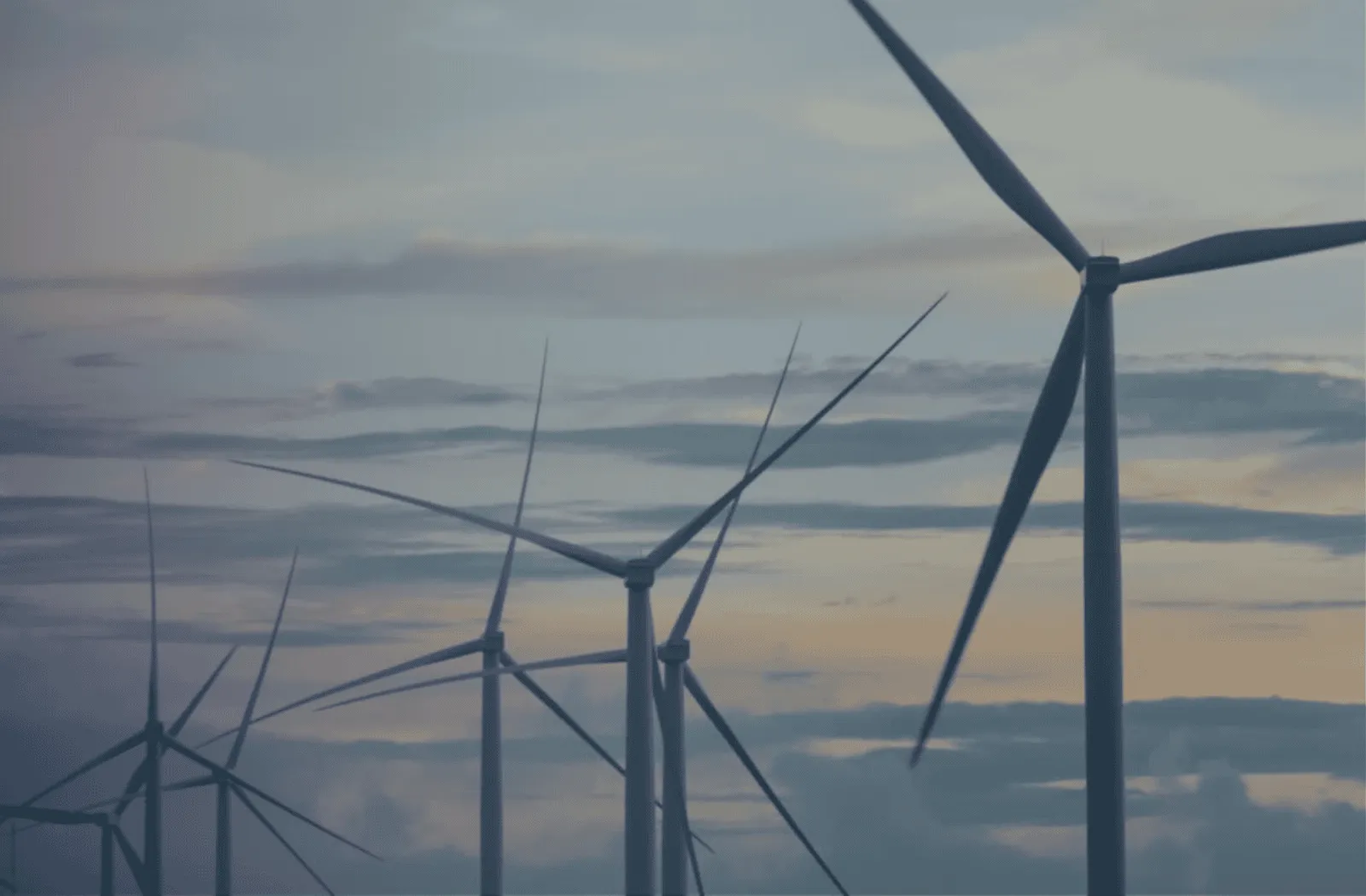
In a bid to bring more renewables onto the grid, deploying offshore wind in more locations, in windier conditions, and in deeper waters is needed, and floating wind has emerged as a promising solution. Floating wind has the potential to meet 11 times the world’s total electricity demand [1], which is much needed when decarbonising transport and heat are likely to require greater electricity demands. Driving cost reduction in floating wind is one of the missions set out in [1], and new innovations are needed to deliver this cost reduction. With floating wind comes challenges and opportunities. Let’s explore some of them …
Subsea electrical hubs
Subsea electrical junction boxes are one promising innovation being proposed by several OEMs. They allow more innovative inter-array network topologies, but as with all additional components they come with a cost. Junction boxes allow the potential to use shorter dynamic cable lengths, which depending on their cost could off-set the cost of the junction boxes. They also bring benefits with operations allowing individual turbines to be disconnected, reducing overall downtime. They are a new technology and therefore there are unknowns around reliability and supply chains. These trade-offs need to be quantified and managed.
Network topologies
Subsea junction boxes and dynamic cables enable new innovative electrical network topologies, such as star or fishbone networks, to be considered alongside the more traditional radial, branched, and looped topologies of fixed offshore wind. But, which topology is best?
Daisy-chain: Each floating turbine in a string is connected to the next turbine with a dynamic cable.

Star: Turbines are clustered (usually 3-5 turbines) rather than in strings. Each turbine in the cluster is connected to a subsea electrical junction box with a dynamic cable and the junction box is connected to the substation with a single static cable.

Fishbone: Turbines are paired/grouped and connected to a subsea junction box with dynamic cables. Static cable is used to connect the substation to the first junction box and then to subsequent junction boxes.

Comprehensive cost-benefit analysis is needed to compare the innovative topologies and understand which offers the best financial viability. This depends on many factors including costs for dynamic cable, subsea connector and dynamic cable accessories, as well as project specific factors such as water-depth.
Often such analysis is undertaken considering small single-string exemplar networks. Whilst this is useful from a conceptual or descriptive perspective, such studies can give erroneous results. Instead, the full wind farm with optimised cable layouts taking account of the true lengths of cable needed to reach every turbine must be considered to find the best network topology that balances revenue, CAPEX and OPEX.
Dynamic cables and accessories
Currently, dynamic cables can be more expensive that traditional static cables. Typically, daisy chain networks configurations require more cable lengths than star networks, as a daisy chain network requires cables from one turbine down to the seabed and then back up to the next turbine, whereas star only requires cable from the turbine down to the subsea junction box.
The number of cable accessories is also something to consider. Daisy chain requires two buoyancy modules per cable connection, whereas star networks require one accessory per cable connection.
Water-depth
How does water-depth affect things? Water-depth is a factor specific to a given project and will impact cable lengths and costs. For topologies, like daisy chain, that require greater cable lengths, greater water depths play a more significant role. Deeper water conditions present challenges for installation and maintenance, including longer repair times that need planning for.
Conclusion
In conclusion, floating wind presents opportunities for new technologies and innovation, but the risks need to be considered, quantified and managed carefully. Software, like Kinewell’s KLOC software, allows developers to effectively consider their network and technology options, saving time and money. Currently, KLOC considers daisy chain and star networks, with more to come in the future. These are my thoughts and experiences with floating wind, and it would be good to hear your views on other significant challenges and opportunities for offshore wind, and how we might overcome them as an industry to reach our global net-zero ambitions?
[1] https://www.renewableuk.com/media/scccdrxe/floating-offshore-wind-2050-vision-final.pdf