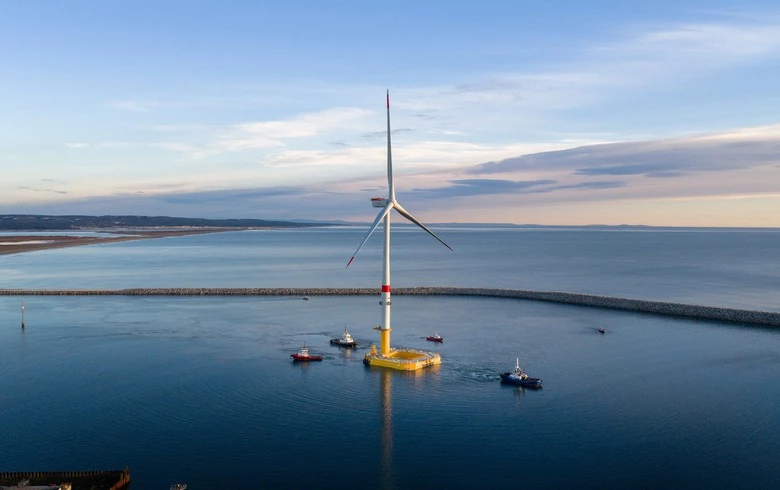
Two new reports from ORE Catapult’s Floating Offshore Wind Centre of Excellence (FOWCoE) – Dynamic Cable Installation Risks and Failure Mitigation and Major Component Replacement – reach a similar conclusion: much of the installation and repair risk in floating wind is decided at the design stage, long before anyone goes offshore. The digital tools to address it already exist.
Our products: the flagship KLOC software and KOMET, a bespoke floating wind tool developed as part of the £10m Technology, Innovation & Green Growth for Offshore Renewables (TIGGOR) programme, and our newest ForeCoast® Marine, are available to developers today.
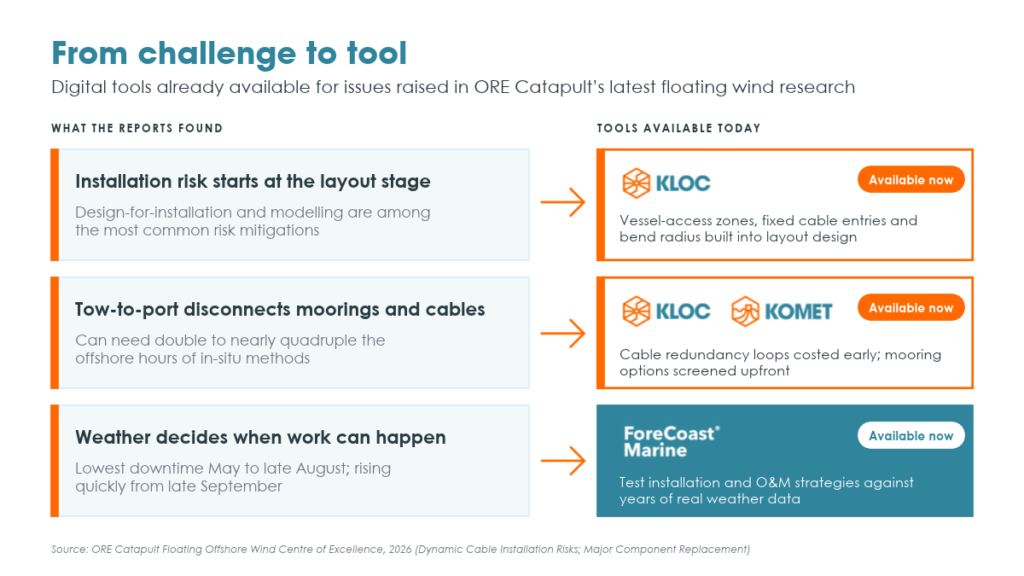
Figure 1: Digital tools already available for the issues raised in the reports.
Installation Risk Starts at the Layout Stage
The cable report found design-for-installation and installation modelling among the most common ways to reduce dynamic cable installation risk.
To support floating wind performance, Kinewell has developed new algorithms to improve vessel access considerations during the design of inter-array cable layouts. This includes modelling:
- Fixed cable entry points near turbines
- Cable exclusion zones around turbines
- Cable bending radius around exclusion zones
By automating this functionality within the KLOC software, we aim to deliver productivity gains for engineering teams, as well as potentially leading to more realistic and economical cable layouts.
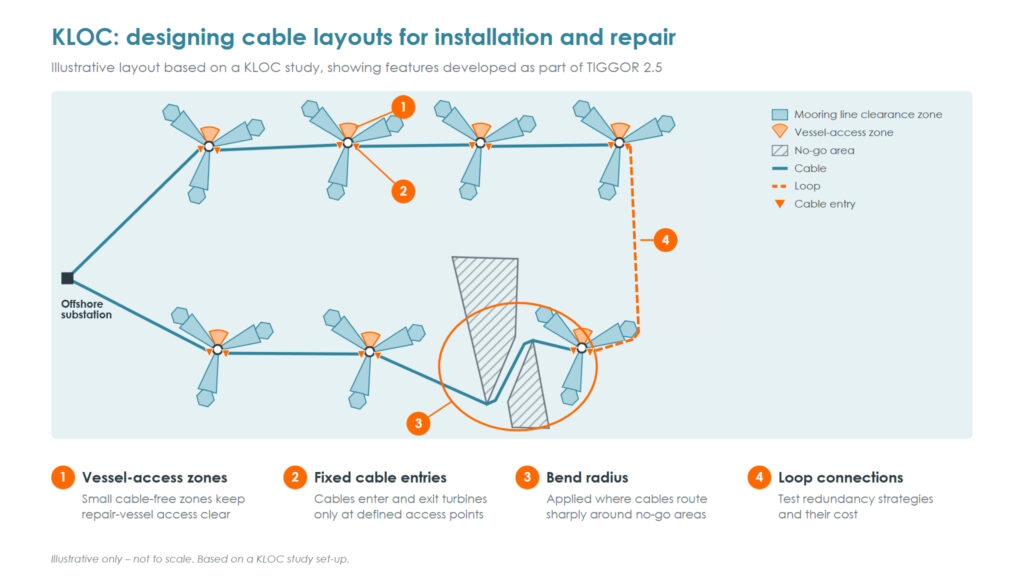
Figure 2: KLOC installation features developed as part of TIGGOR 2.5.
Designing for Repair
Most floating sites are too deep for jack-up vessels, so major repairs rely on tow-to-port. The Major Component Replacement report found this can need double to nearly quadruple the offshore hours of in-situ methods, and risks further damage to mooring lines and cables.
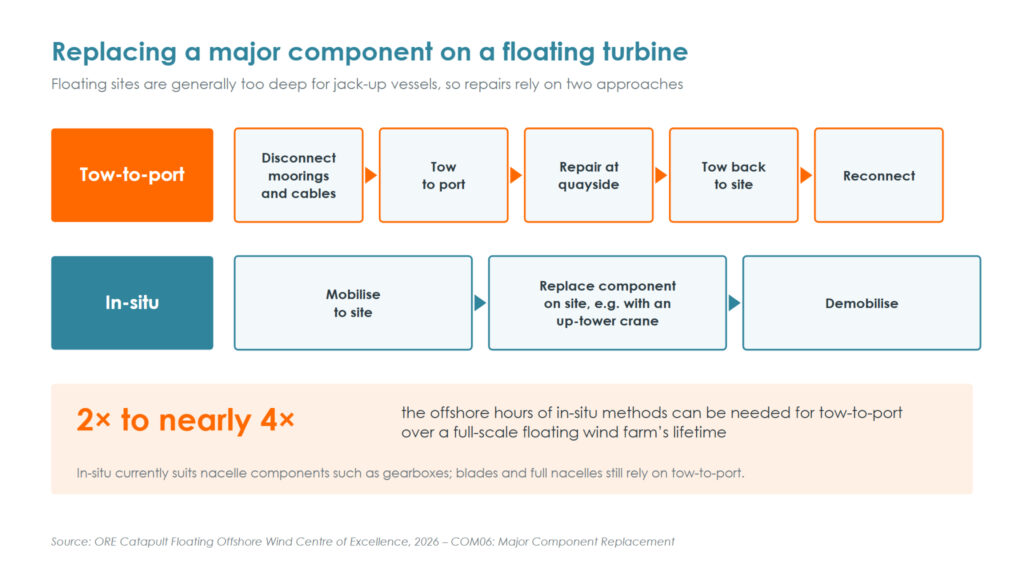
Figure 3: Tow-to-port and in-situ replacement compared. Source: ORE Catapult FOWCoE, 2026.
The KLOC cost model can run studies that include manually added loop connections, supporting both fixed-bottom (radial) and floating daisy-chain configurations. This enables users to evaluate redundancy strategies and understand the cost implications of different looped network designs.
For moorings, KOMET is a tool designed to de-risk early-stage design by exploring viable system combinations upfront, reducing uncertainty and enabling stronger concepts to be taken forward with confidence.
Planning Around the Weather
Both reports return to weather. In the Major Component Replacement modelling, many in-situ methods faced no weather downtime at the median from May to late August, with downtime rising quickly from late September.
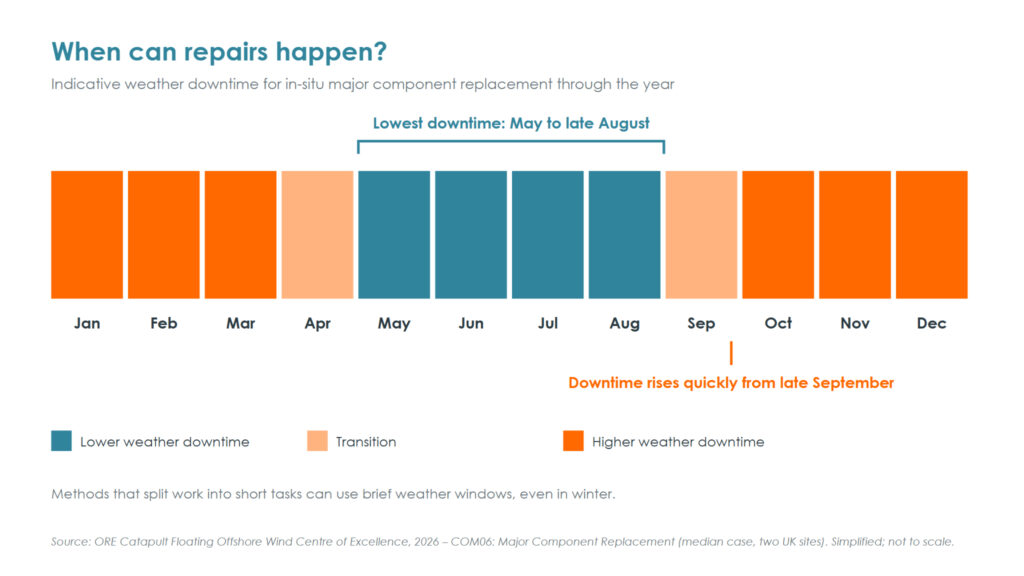
Figure 4: Indicative weather downtime through the year. Source: ORE Catapult FOWCoE, 2026.
ForeCoast® Marine is a cloud-based software that simulates how a construction or maintenance campaign of a project would have played out if it had been undertaken last year, or the year before, or over many years, using historical metocean data from hindcast models or observations. This allows you to easily and quickly compare strategies, manage weather windows, identify bottlenecks in the campaign, and evaluate risks.
ForeCoast® Marine can also help evaluate O&M strategies and the downtime impact of various maintenance events throughout the project lifetime.
De-Risk Your Project
Congratulations to the FOWCoE team and project partners on both reports. For support, demonstrations, or to learn more about how these tools can enhance your studies, please contact us via the Request a Discovery Call page.
Sources
- ORE Catapult FOWCoE, Dynamic Cable Installation Risks and Failure Mitigation: Public Summary Report, August 2026.
- ORE Catapult FOWCoE, COM06: Major Component Replacement: Public Summary Report, September 2026.